Why the Orton-Gillingham Approach?
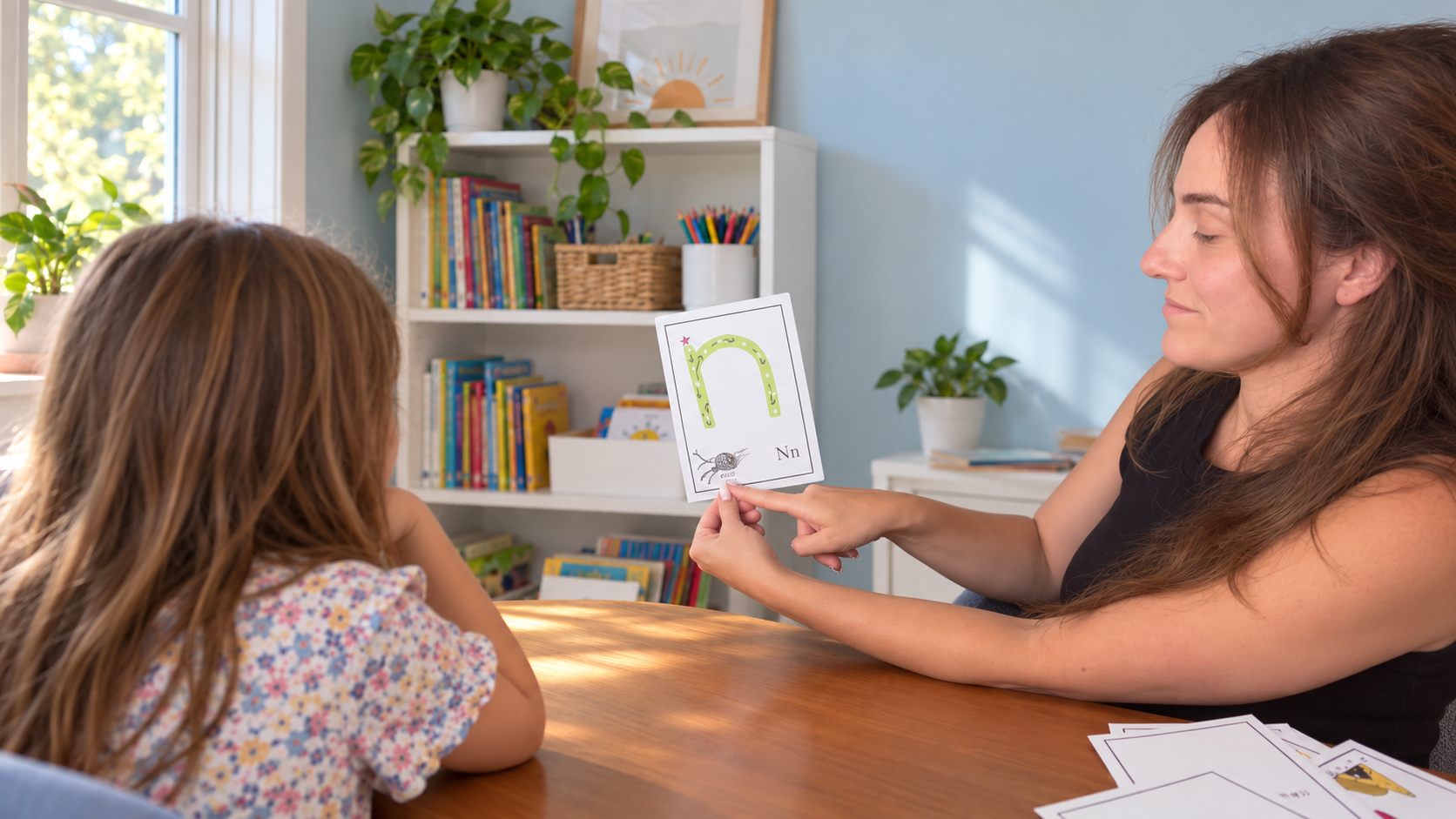
Orton-Gillingham is a structured, multisensory approach to teaching reading, spelling, and writing, developed for learners who find these skills difficult, including those with dyslexia. Skills are taught directly and in a clear sequence, using sight, sound, and movement together. Each lesson builds on previous learning and is adjusted based on the student’s progress. This individualized approach helps students understand how language works while providing the practice and support they need to build skills and confidence.

What is the Difference Between O-G Trained & O-G Certified?
What does a typical lesson look like?
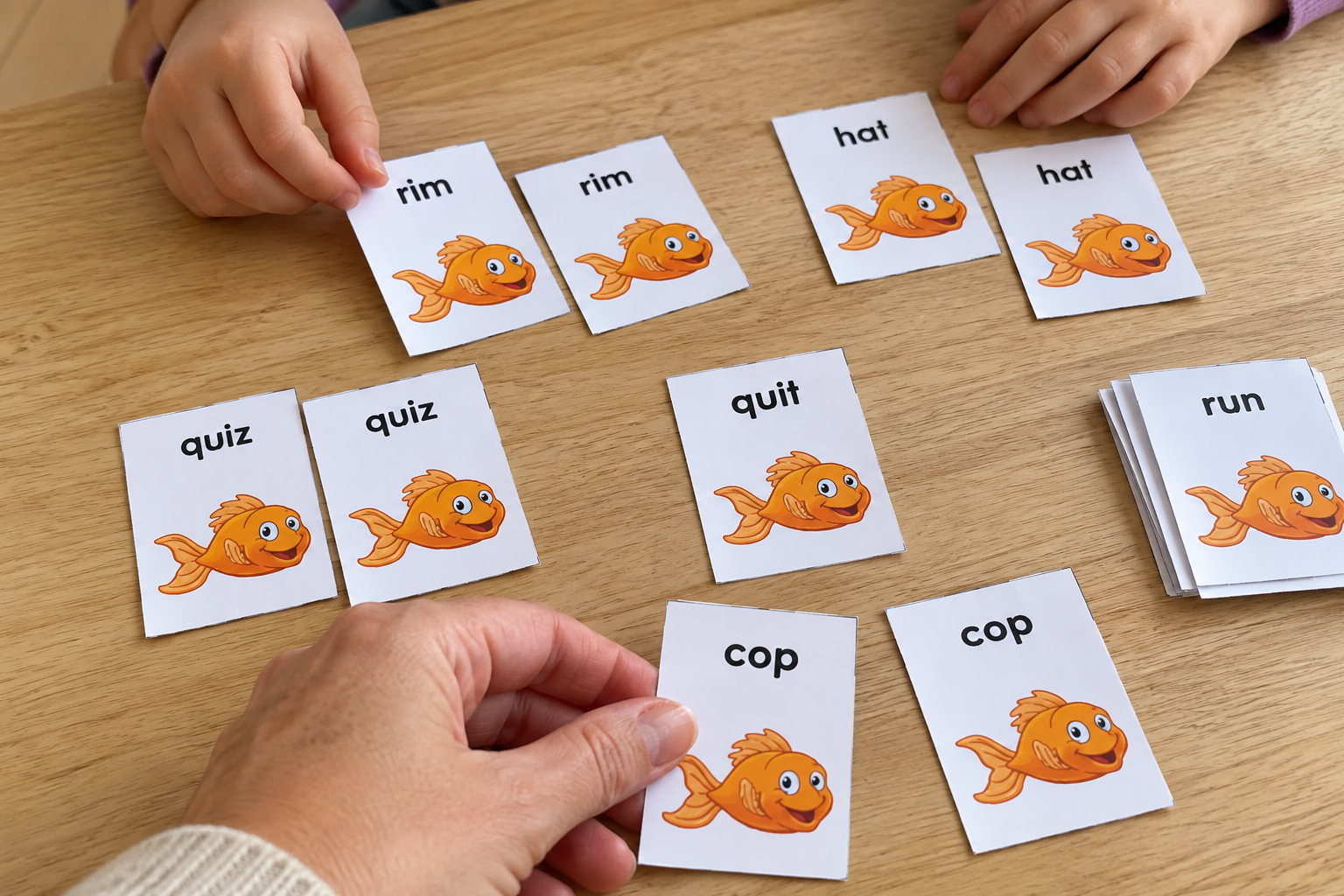
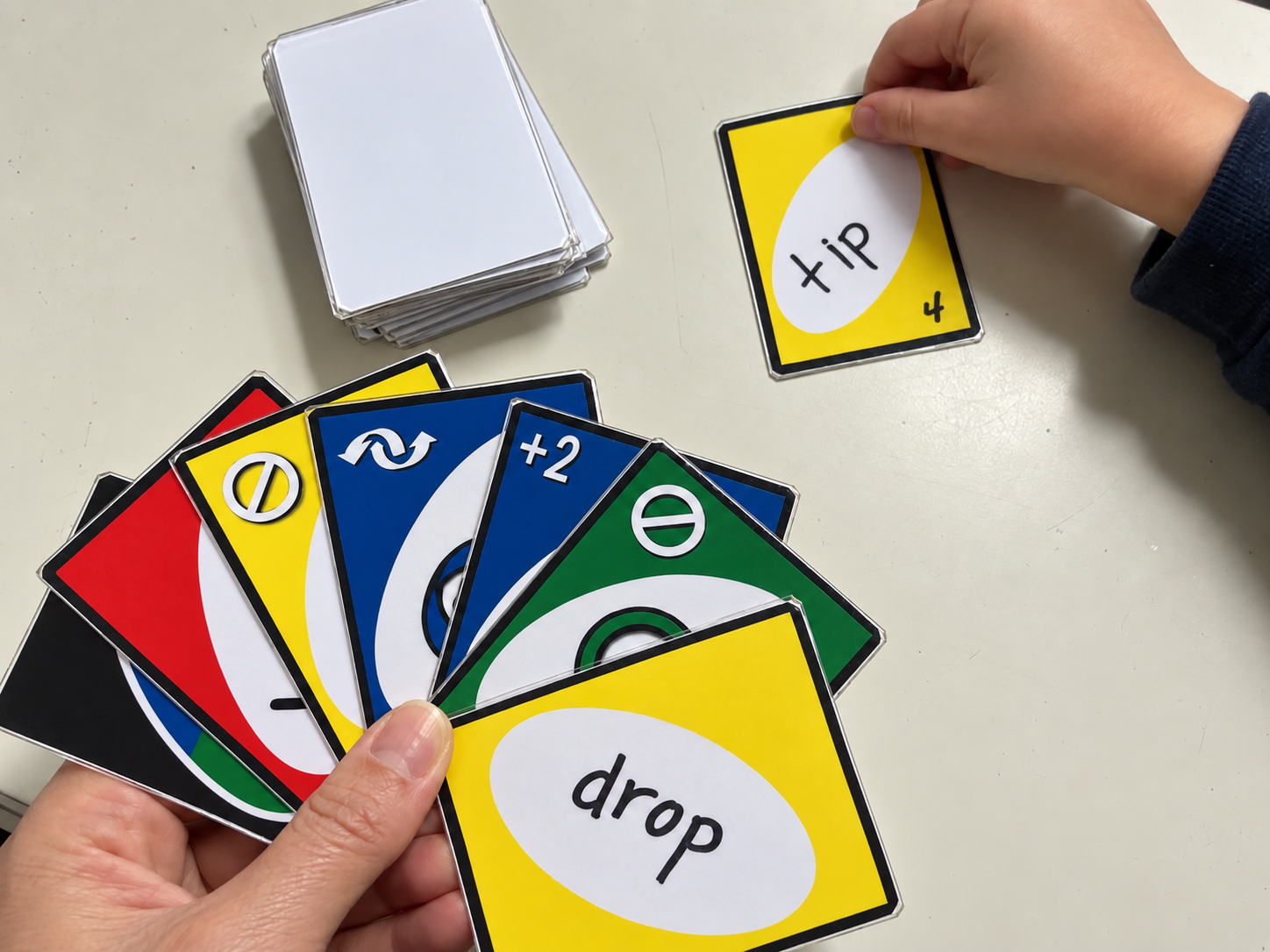
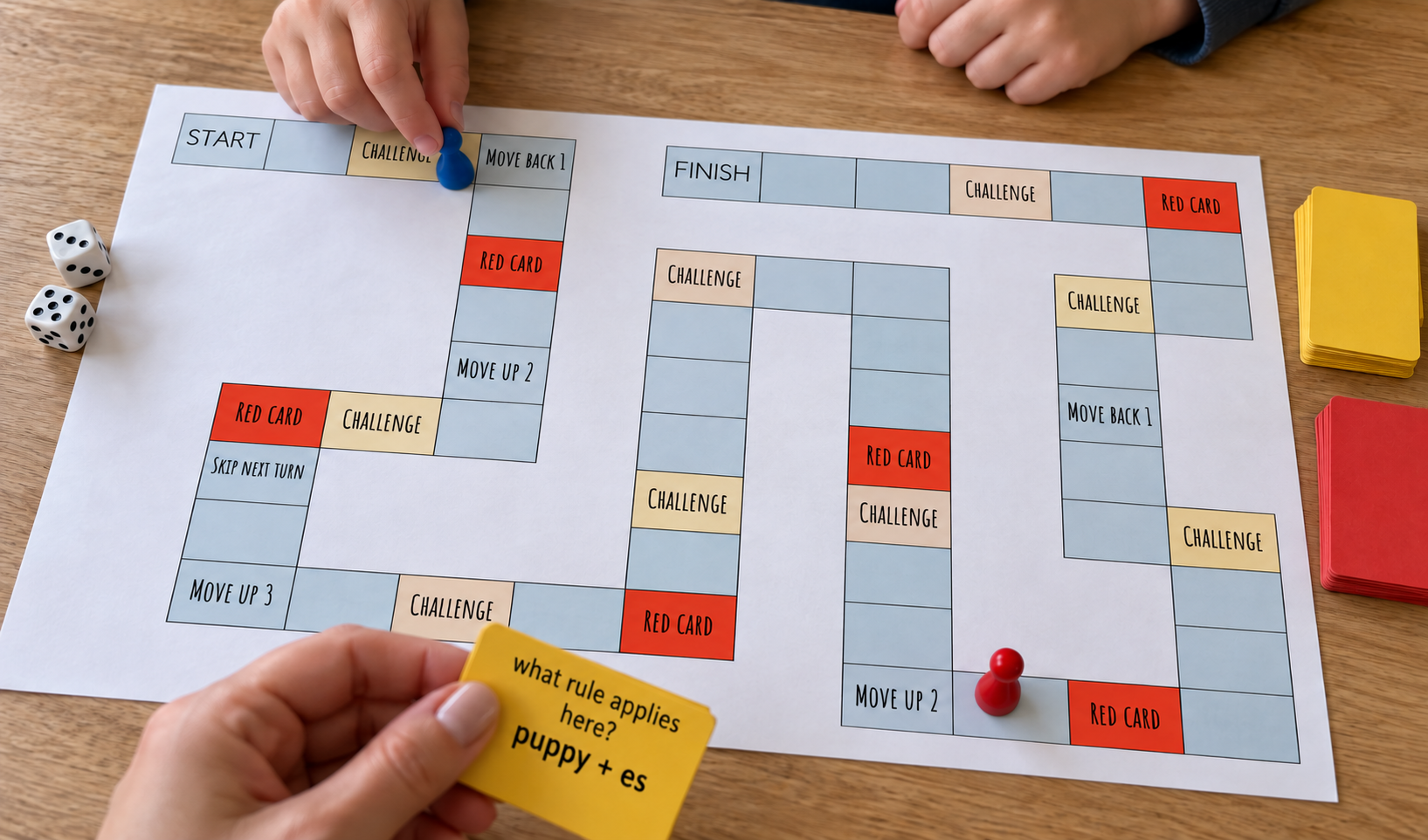
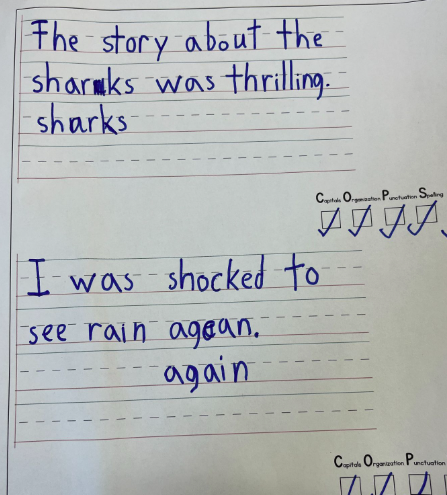
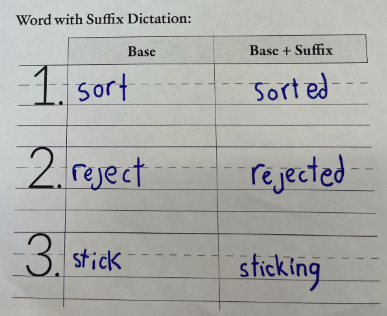
An Orton-Gillingham lesson consists of many components, all designed to give instruction that is clear, explicit, and gives students many ways to practice. The structure of an Open Book Literacy lesson is consistent, with specific activities, games and tasks changing based on the focus and student. Every lesson spirals back to review previously taught concepts which is imperative for retention and frequent assessment.

What will students read during the session?
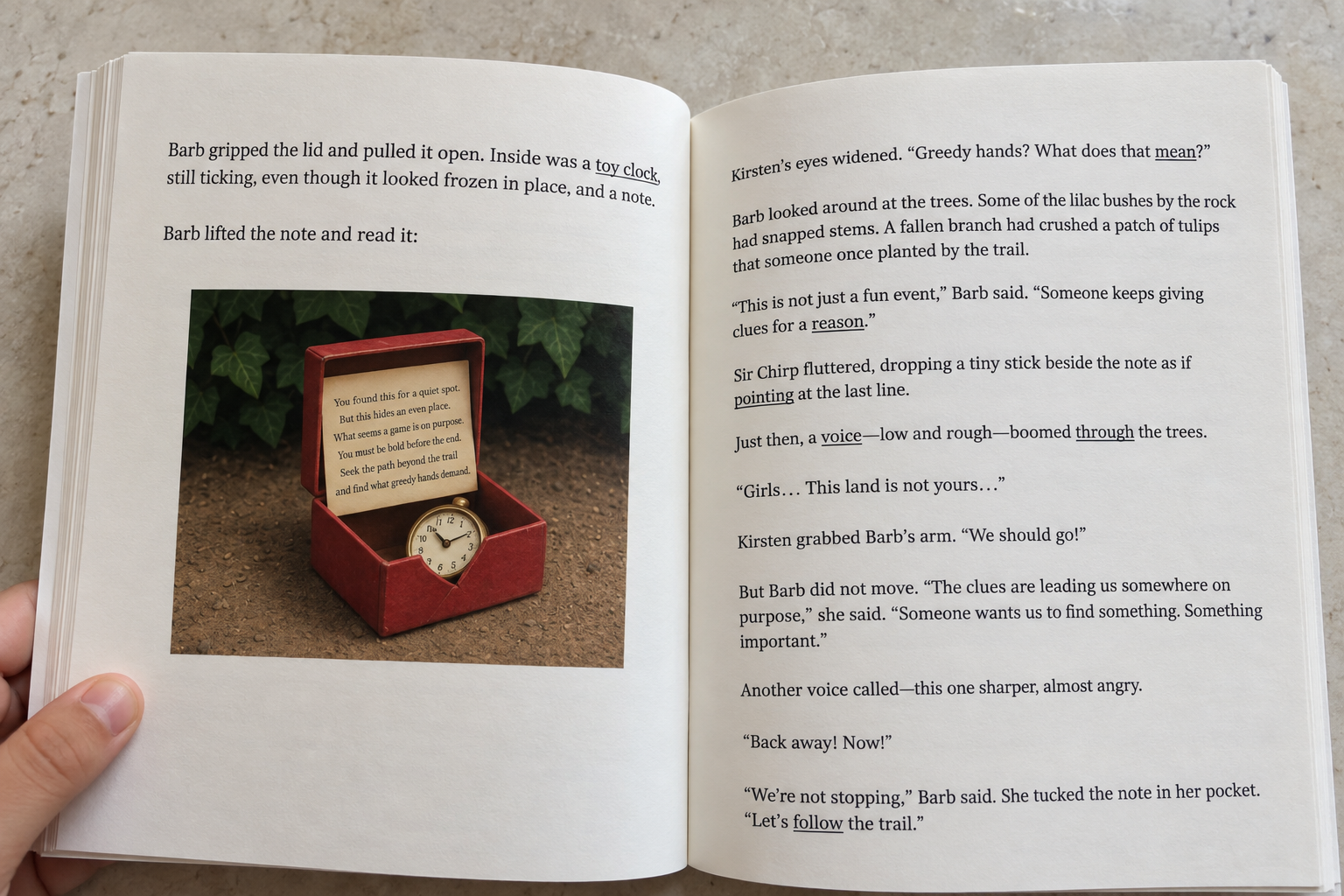
Engaging decodable texts are an important component of Open Book Literacy’s lessons. As a former middle school teacher, Elizabeth understands that struggling readers need stories that match both their reading skills and their interests—without making them feel younger than they are. She creates suspenseful, adventure-filled stories that give students a reason to keep reading and discover what happens next.
When students are ready, lessons may also include reading chapter books together, helping them apply the skills practiced in sessions to more complex texts and everyday reading.