When I started my career as a special education teacher, I quickly noticed something that bothered me. In classroom after classroom, I was working with students who couldn't read — bright, capable kids who were falling further behind every year. The system around them was full of good intentions but short on answers. What they were getting wasn't working and I knew that if I was going to truly help them, I needed to learn more.
I pursued my Orton-Gillingham certification and immersed myself in the science of reading — the research on how the brain learns to decode language, and what happens when that process doesn't unfold the way it should. What I found changed everything about how I teach. Students who had been struggling for years began making real, measurable progress. Not because they suddenly tried harder — but because they were finally being taught the right way for them.
That's what Open Book Literacy is built on. A decade of working inside the system, understanding its limits, and knowing exactly what struggling readers need that they aren't getting there.
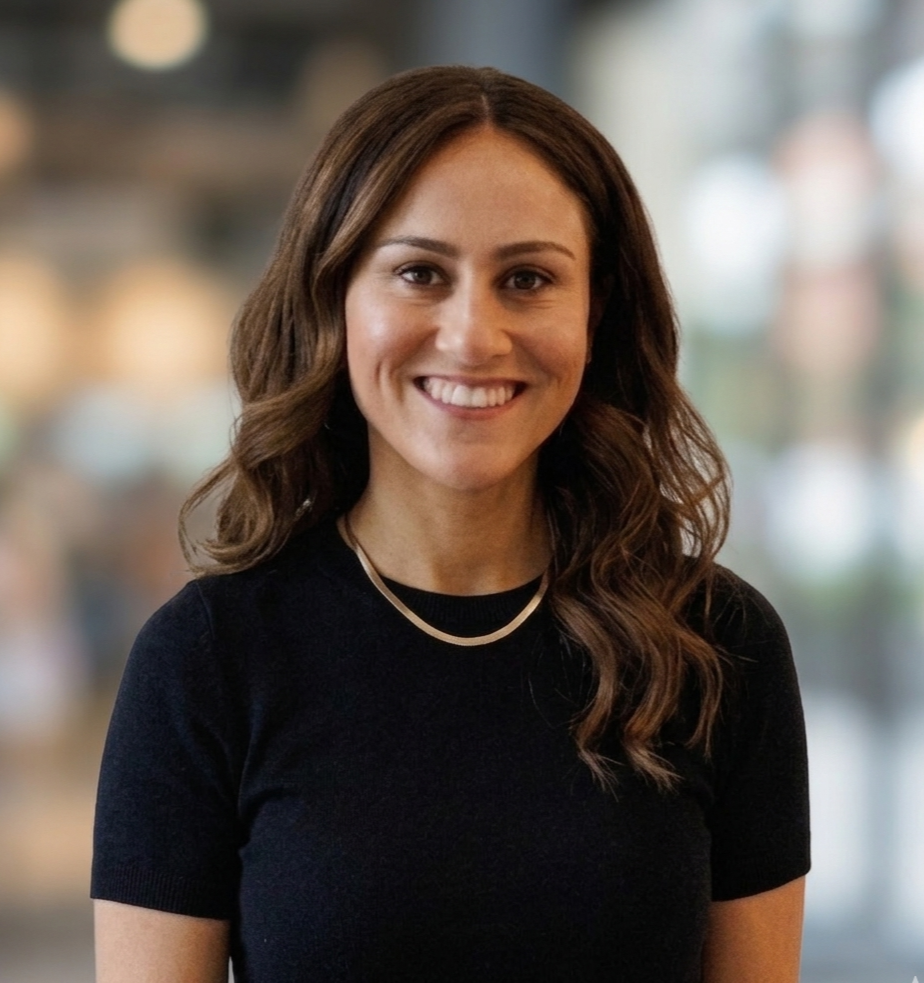
Hi! I’m Lizzie.
I'm a master's-level special educator and reading interventionist with over 10 years of experience. As a former NYC public school teacher, working with struggling readers and students with dyslexia, ADHD, and other language-based learning differences has become my focus.
I'm certified in the Orton-Gillingham approach at the associate level — the most rigorously researched, widely recommended method for students who struggle with reading and spelling. Every intervention I design is grounded in the science of reading: explicit, systematic, multisensory, and built around your child's specific profile.
How I work
Every child I work with gets my full attention — not a program, not a worksheet, not a one-size-fits-all curriculum.
I start by understanding. Before I teach a single lesson, I want to know how your child processes language, where the gaps are, and what they've already been through. Then I build a plan that's specific to them.
I'm warm — kids feel safe with me quickly, which matters enormously for children who've already experienced frustration and shame around reading. I'm also direct — families always know exactly where their child stands, what we're working on, and what's coming next. And I treat parents as partners, because what happens at home between sessions is just as important as what happens with me.
I don't believe in waiting and watching. I believe in moving with purpose.
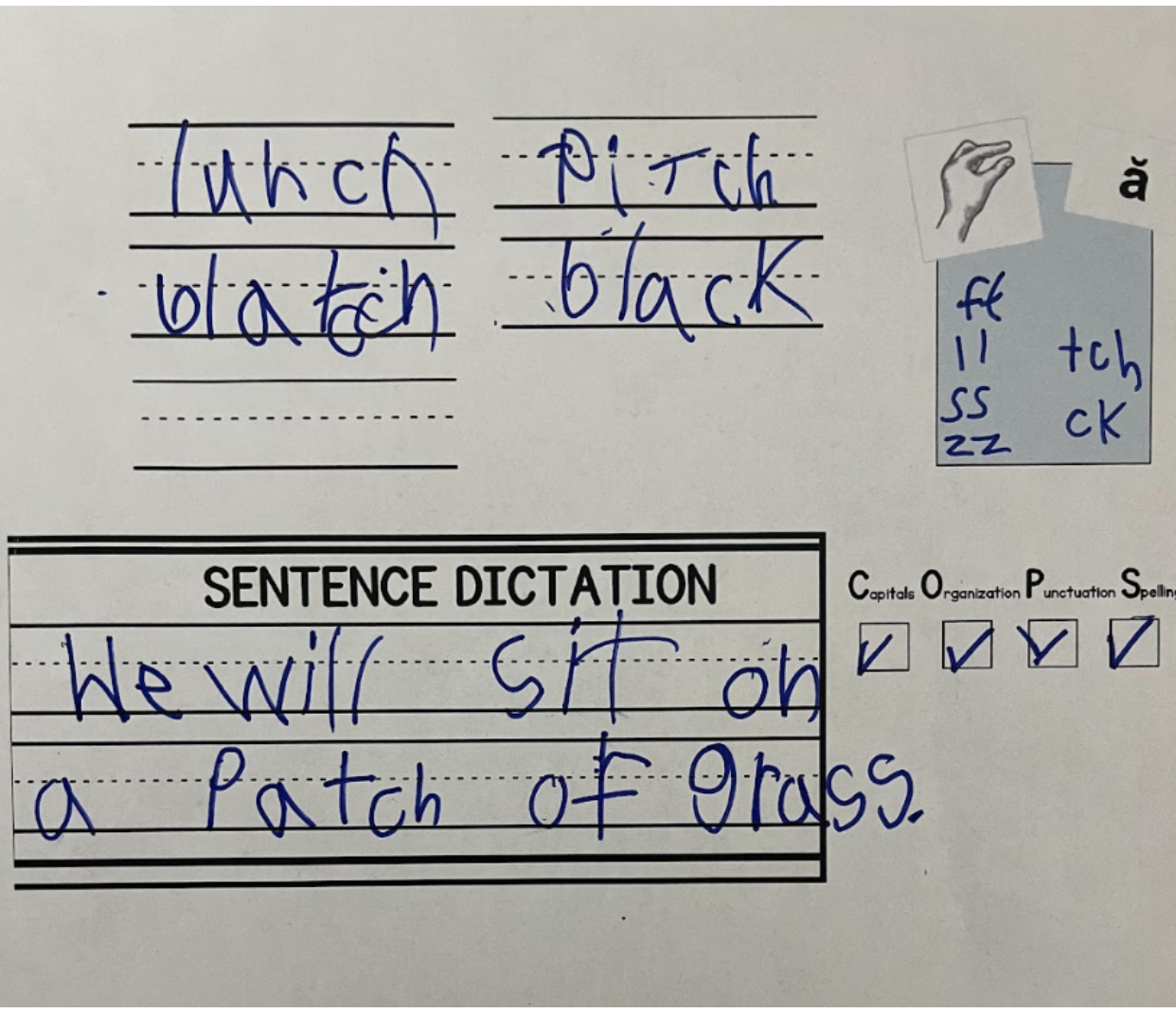
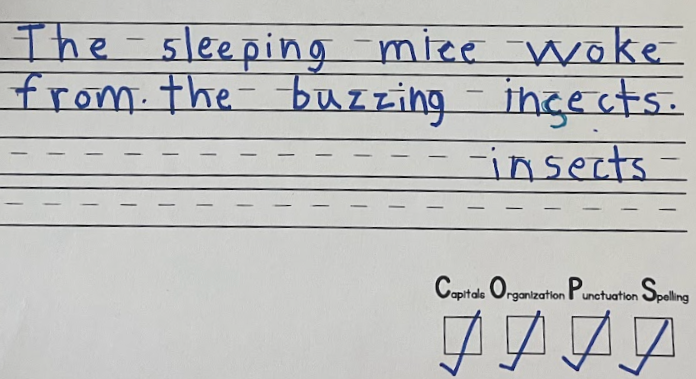
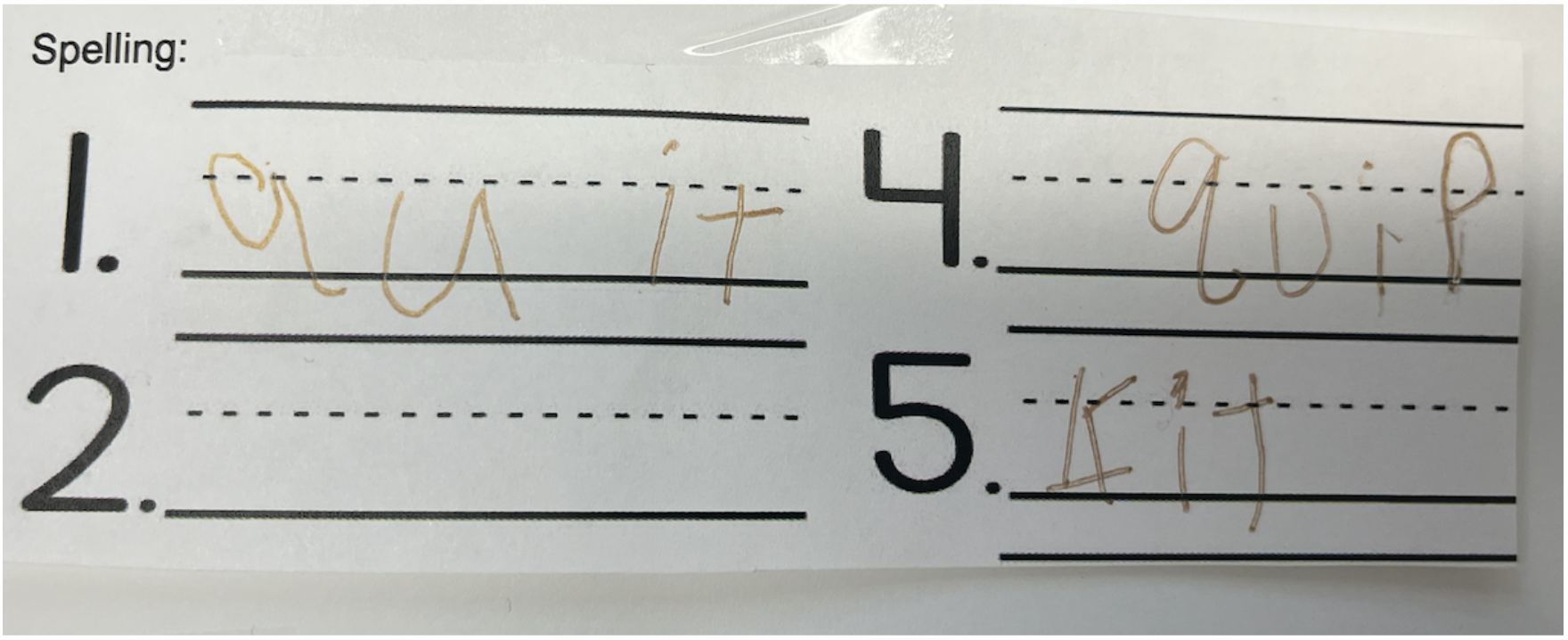
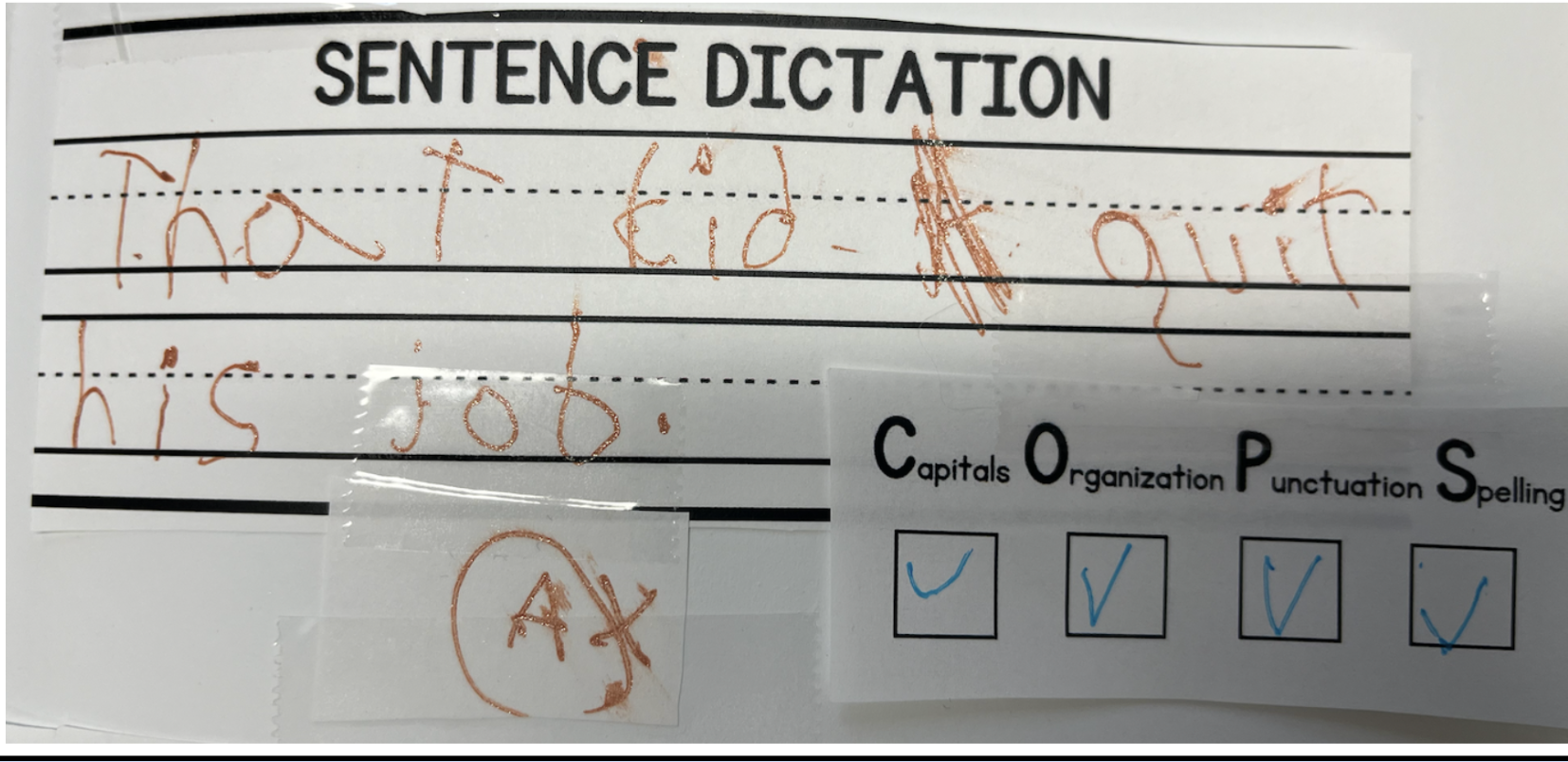
Progress that speaks for itself.
Lesson 9
Lesson 27
Lesson 59